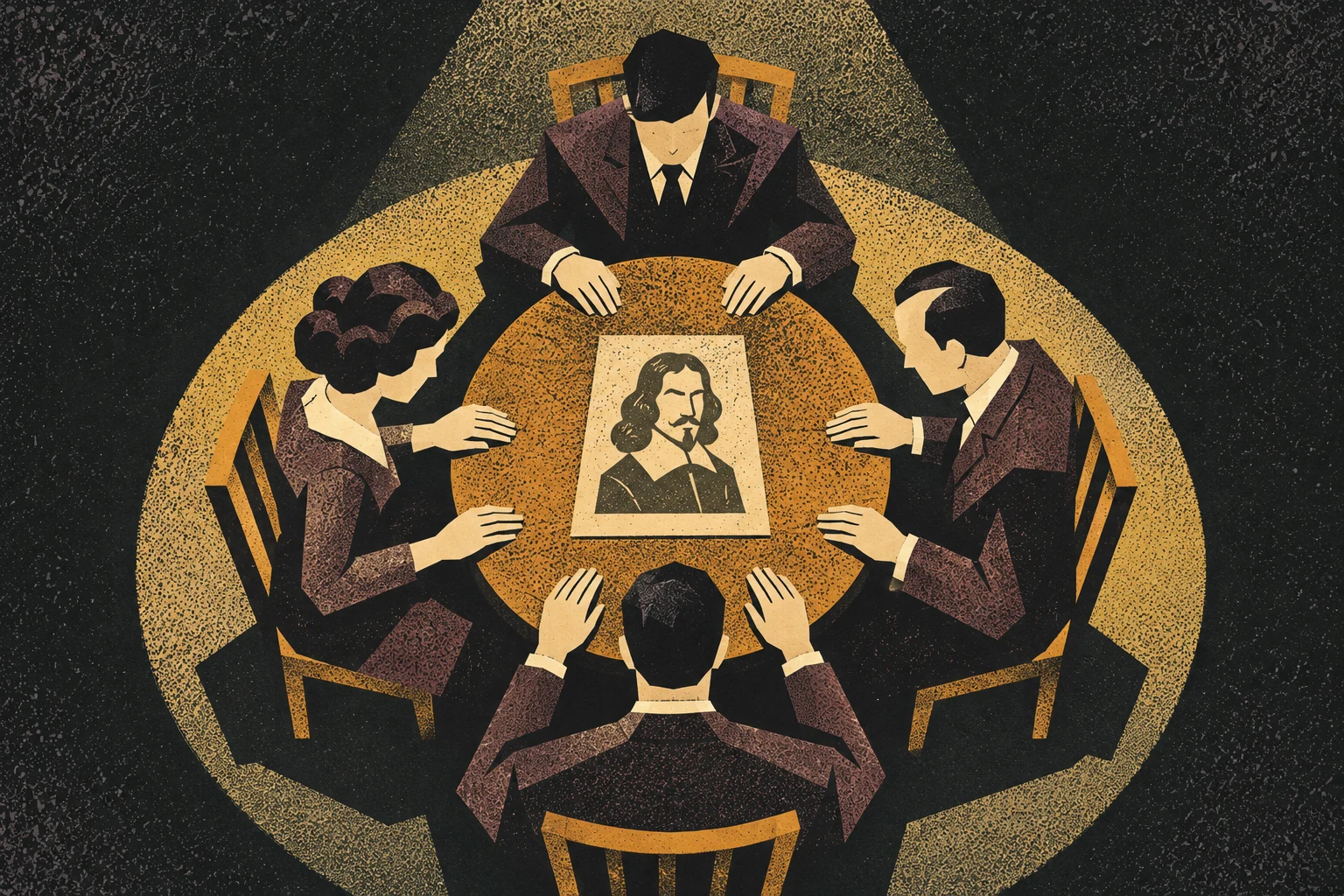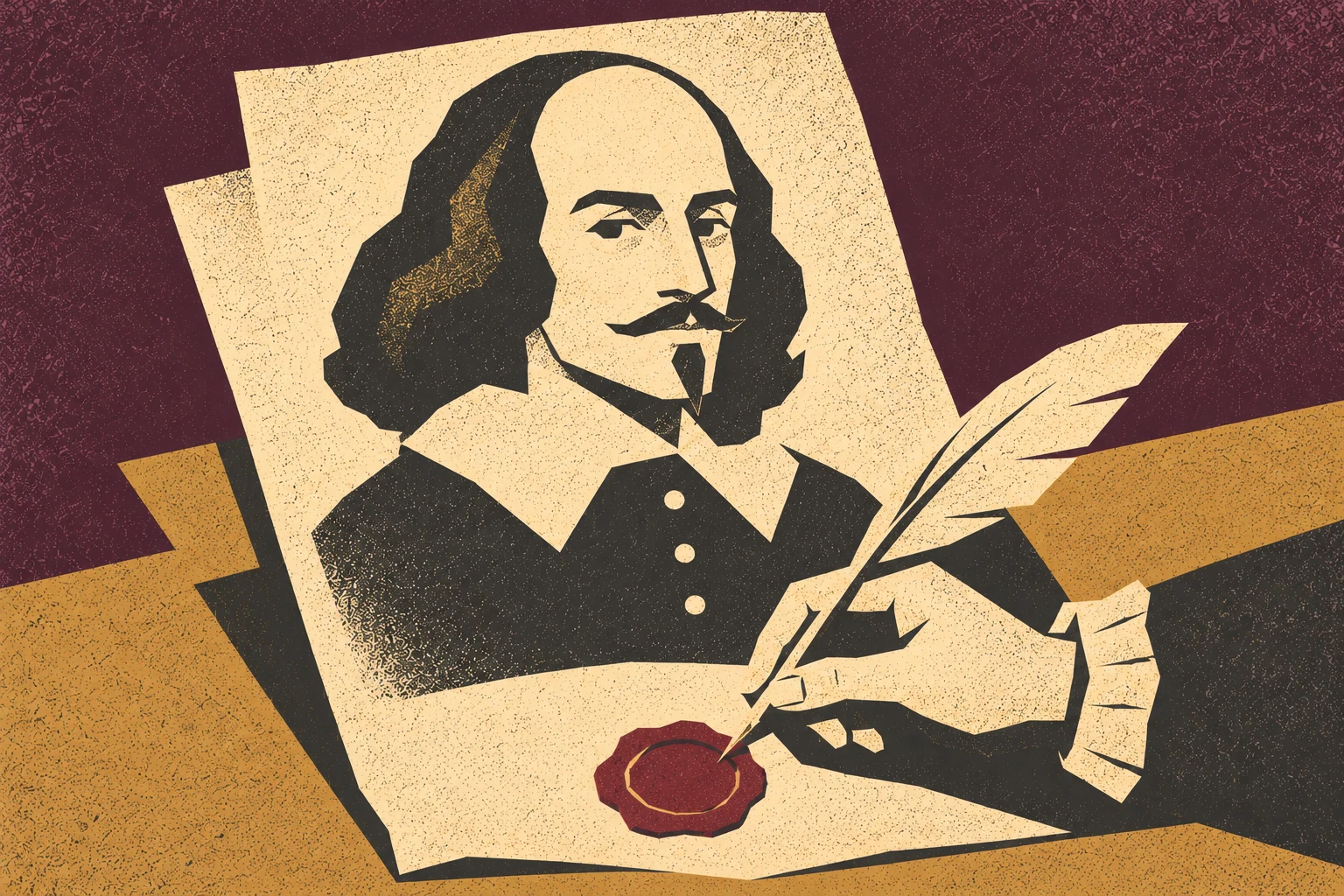
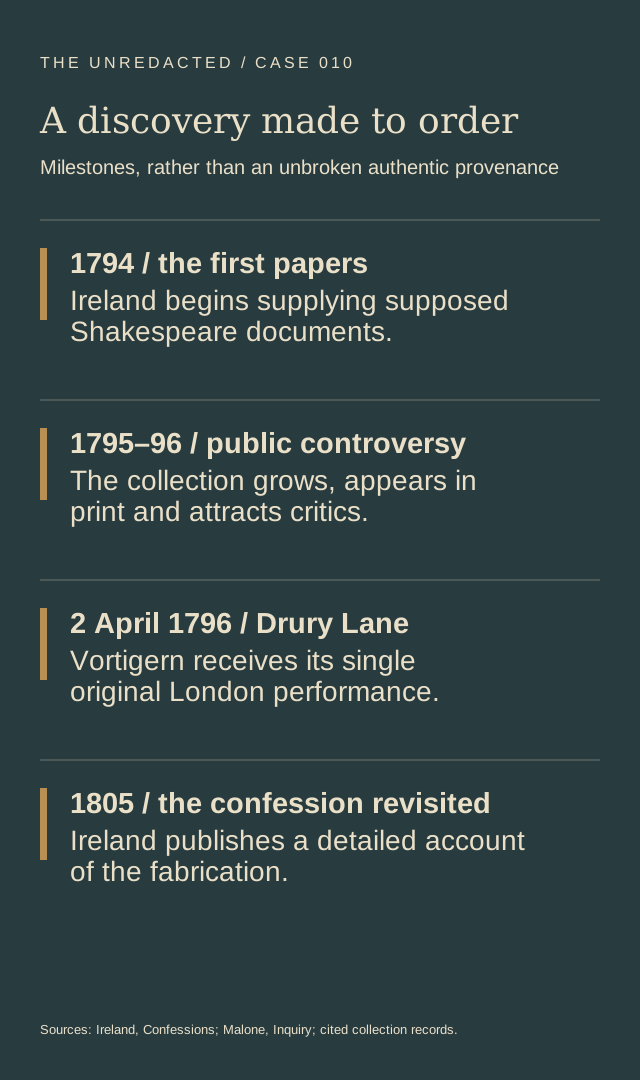
On 2 April 1796, a supposedly lost Shakespeare play reached the Drury Lane stage. The manuscript was new. A young law clerk had written it, along with the evidence meant to prove it genuine.12
A signature worth half a library
The first Shakespeare document William Henry Ireland produced was a legal instrument. It was an effective choice. A deed promised the intimacy of an autograph without requiring the discovery of a masterpiece. Its apparent importance lay in the name attached to an otherwise ordinary transaction. The people examining it could begin by recognising the kind of object they wanted to find.1
Ireland's father Samuel was an engraver, author and collector with a particular devotion to Shakespeare. In his later confession, William Henry remembered his father saying that he would exchange half his library for the playwright's signature. The son worked in legal chambers, where old documents were available to somebody with his interests. He described searching them for a genuine Shakespeare autograph before deciding to supply one himself.1
His account places the scheme inside a family already absorbed by antiquarian collecting. A visit to Stratford had increased Samuel's enthusiasm for things associated with the playwright. The younger Ireland also admired Thomas Chatterton, whose invented medieval writings offered an example of literary impersonation. These circumstances help explain the particular deception he attempted. They do not make every recollection in his confession an independently witnessed fact.1
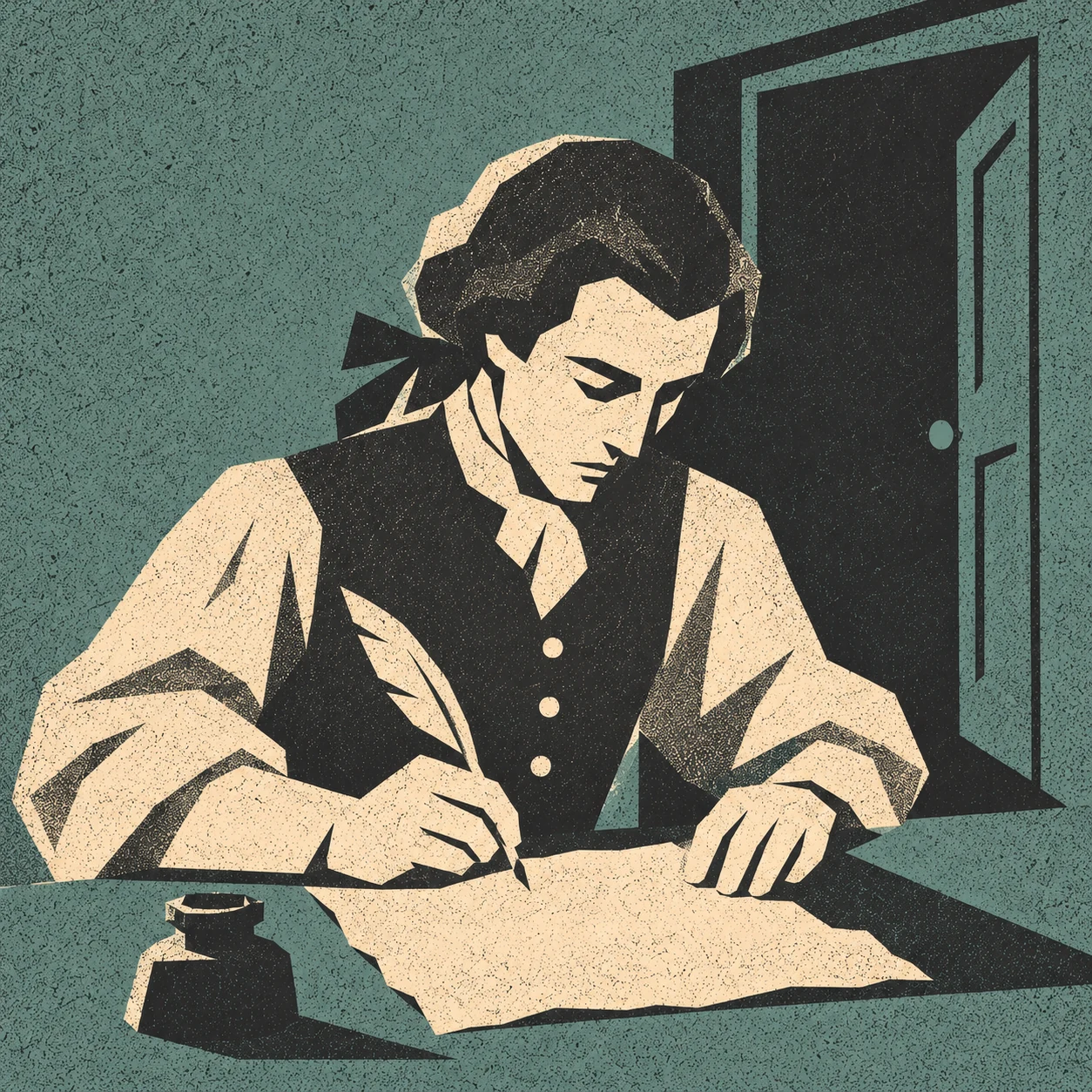
By late 1794, the promised signature had appeared. William Henry said he copied the outline of a historical deed and traced available examples of Shakespeare's signature. He cut parchment from an old rent-roll at work and wrote a supposed transaction involving Shakespeare, John Heminges and Michael Fraser. Another signature was written with his left hand, giving the document the appearance of having passed through more than one person's hands.1
The distinction between old material and new writing was fundamental. William Henry did not need to manufacture parchment that looked centuries old if he could obtain parchment that actually was old. The genuine age of the support could help conceal the false age of the words. An examiner recognising an old document was therefore only part of the way towards establishing what that document recorded.
According to the confession, he presented the completed instrument to Samuel after returning from work. His father examined the writing and the seals, accepted the apparent discovery and offered access to his bookcase as a reward. William Henry described refusing to choose anything, whereupon Samuel selected a book for him. It is a scene told by the son after the deception had collapsed, and it neatly supports his later account of seeking affection rather than money.1
The document also passed beyond the family. Samuel showed it to Sir Frederick Eden, whom William Henry described as inspecting the seal and accepting the instrument. Recognition by a knowledgeable acquaintance made the object more persuasive to its owner. A successful first examination also taught the maker something about the questions that subsequent objects would need to survive.1
Was this meant to remain one private trick? William Henry later suggested that the first success drew him onwards. Once people imagined that further papers might exist, however, the circumstances changed. The original deed became evidence of a source, and that source could be expected to supply more. A signature intended to impress a father had created an appetite that another signature alone would not satisfy.1
Inside the workshop
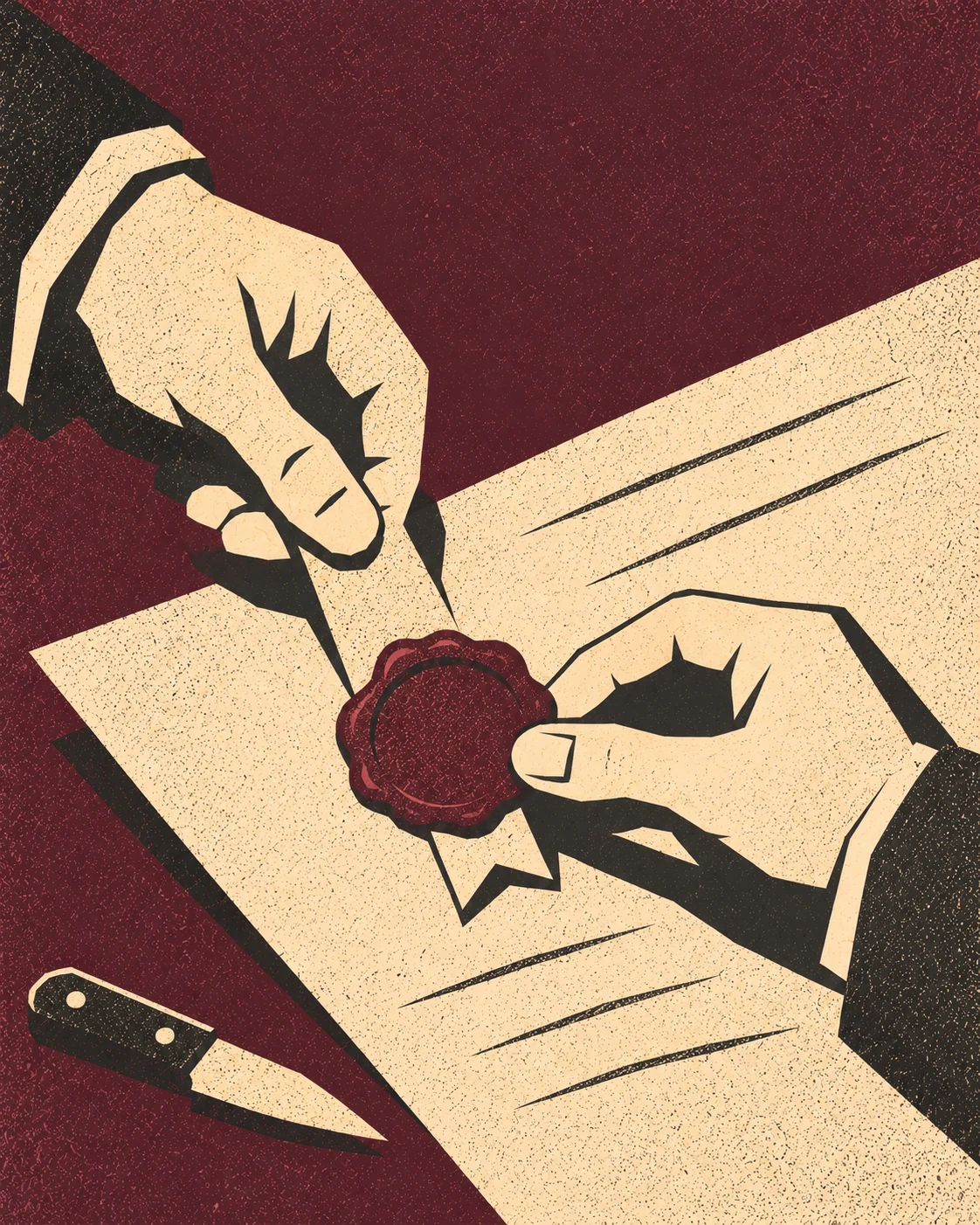
The fabrication involved more than imitating a name. An old legal instrument required a convincing physical arrangement: appropriate handwriting, a plausible text, hanging tags and seals. In his confession, Ireland described trying to heat old sealing wax and discovering that it crumbled rather than melted as he wanted. He then cut an existing seal and adapted it to a new parchment strip.1
That detail is more revealing than a general claim that he aged the documents. The reused seal could be genuinely old while its attachment to this deed was new. Anybody concentrating on the impression might correctly recognise something historical and still accept the wrong history of the object before them. A real component had been moved into a fabricated relationship.1
The ink had a similar practical history. Ireland recalled an earlier experiment in adding a dedicatory letter to an old book, presenting the volume as though it had belonged to Queen Elizabeth. A bookbinder's shop helped him obtain an ink with a more suitably aged appearance. The later Shakespeare business reused the technique. In his account, the deception developed through accessible trades and materials, rather than an elaborate hidden laboratory.1
As the supply of manuscripts grew, so did the demand for paper. Ireland said he paid a bookseller in Great May's Buildings for permission to remove blank flyleaves from old volumes. The transaction gave him a stock of authentic old sheets on which he could write new discoveries. The source of the material was ordinary commerce, while the story offered to collectors concealed that route entirely.1
He also learned from the comments of those inspecting his work. Initially, he said, he avoided sheets carrying watermarks because he did not know which marks would be appropriate. After hearing that a jug watermark would support an Elizabethan date, he searched his stock for examples. He claimed to mix marked and unmarked sheets to avoid making the change in supply look too sudden.1
Could the experts have been teaching the forger? His account describes precisely that feedback. A question about what ought to be present supplied information about what to produce next. The person making an innocent observation did not need to suspect that the object of the discussion was still being assembled around their expectations. Their expertise could become useful to the deception before it became useful against it.1
The same process applied to quantity. Ireland remembered being told that a bulky collection would look more credible than a handful of exceptional items. Small theatrical receipts offered a way to increase the mass without composing poetry at every sitting. When somebody asked why the slips were not tied together, he found old thread by unravelling a fragment of tapestry, according to his account.1
These recollections need to be read with care. The confession promotes its author's ingenuity, and many of its workshop anecdotes depend on his testimony. Yet its central explanation is supported by the admitted fabrication and the survival of the resulting objects. It gives a practical answer to the mystery of how apparently old Shakespeare papers could emerge from a young clerk's working day.13
The man who owned the chest
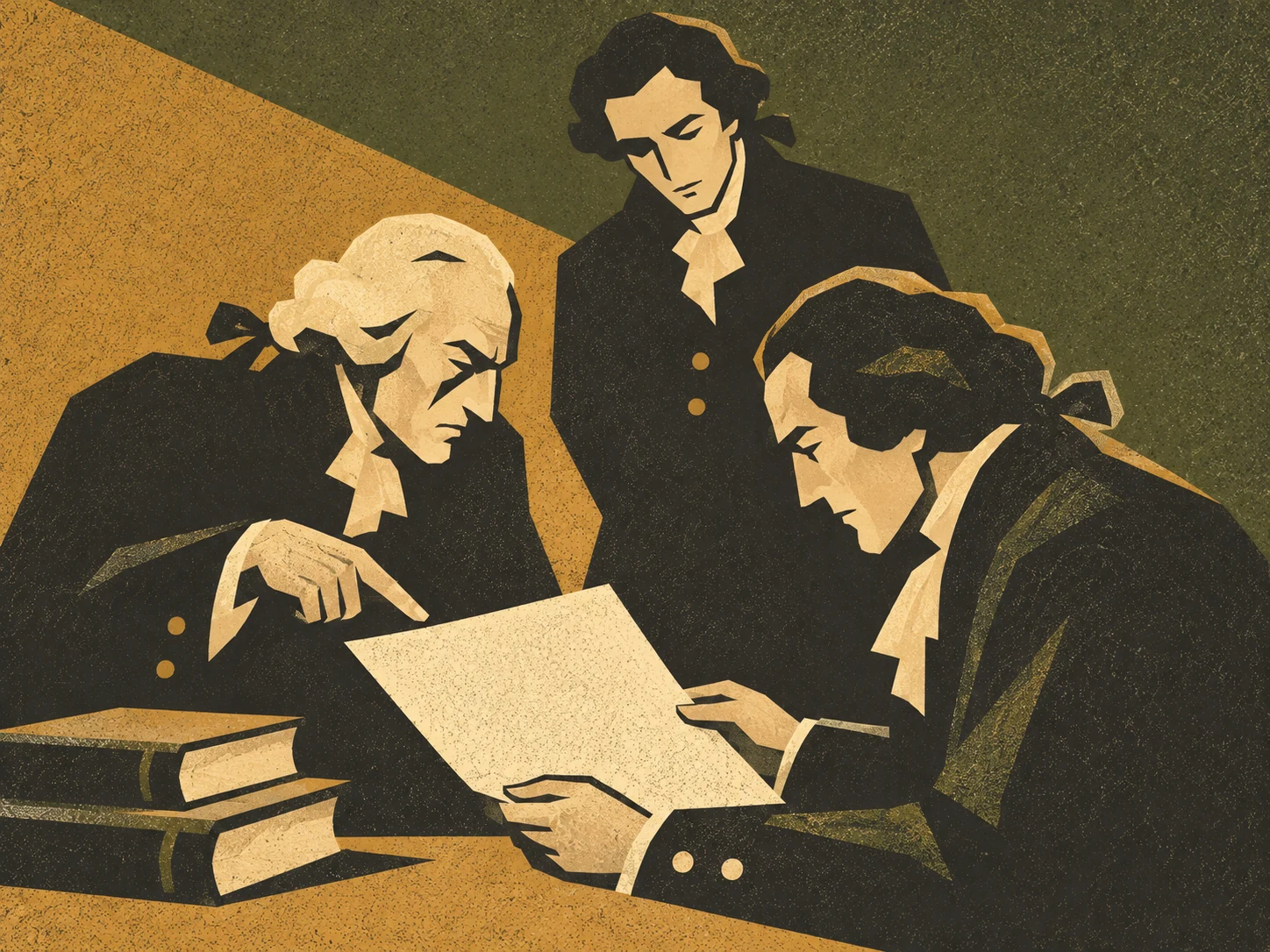
A convincing object still needed a convincing route into William Henry's possession. The difficulty was obvious: why should an obscure young clerk suddenly discover Shakespeare's private papers? A source story had to make the accident seem possible while preventing the curious from going directly to the supposed collection and examining it for themselves.1
Ireland supplied a gentleman of fortune, met through conversation in a coffeehouse. In the story he told, the gentleman had inherited old legal papers and invited him to search them for anything interesting. The initial invitation was missed; a later visit produced the extraordinary deed. The owner then generously allowed him to keep it, asking only for a transcript. Ireland later described this entire sequence as part of his invention.1
The fictional owner was useful in several ways. His family's legal connections explained the documents. His lack of interest explained why the importance of the papers had escaped him. His generosity explained their transfer. His insistence on privacy explained why other people could not simply ask him to confirm the story. The arrangement supplied an answer to each question while keeping its central witness unavailable.1
As further objections arose, the explanation expanded. The source became associated with the shadowy Mr H. of later accounts. What mattered was that the collector could inspect the papers but could not independently reconstruct their custody. The person who supplied the objects also controlled the only account of where they had been. Accepting one required accepting the other.14
An ancestor made to inherit
Another invention answered a different objection. If these were Shakespeare's papers, on what basis did the young finder own them? Ireland described producing a deed in which Shakespeare rewarded a man called William Henry Ireland for saving him from drowning in the Thames. The supposed rescuer had the forger's own name. A story about the recovery of old papers was becoming a story about his family's rights.1
In the fabricated instrument, an overturned boat and a rescue explained the playwright's gratitude. A further claim then made the modern William Henry a descendant of the rescuer. The anonymous owner was said to have found genealogical evidence among his family papers. According to the confession, he now recognised the manuscripts as Ireland's inheritance rather than merely a generous gift. The evidence needed to justify the transfer came from the same unavailable source as the objects themselves.1
Ireland also described joining the arms of the Shakespeare and Ireland families in a drawing. The proposed relationship was not established by independent genealogy; it was being written into existence alongside the documents. This made the deceit more personal, while creating another historical detail that an informed reader could challenge. The confession acknowledges that his choice of the ancestor's two given names became a point of criticism.1
These additions explain why an enquiry into custody mattered. The collector was being offered a chain of ownership with an appealing incident at its beginning, but the incident and its supporting instruments had a single maker. No amount of internal agreement between those papers could make the original rescue independently true.
Samuel's rooms in Norfolk Street became a place to inspect the discoveries. Visitors included people with literary reputations, antiquarian interests and the means to lend a promising collection public standing. The papers were not accepted by everybody, but the presence of recognisable supporters helped transform a family claim into a controversy that other readers felt obliged to consider.12
One of the confession's most famous scenes concerns James Boswell, the biographer of Samuel Johnson. Ireland described him handling the papers with intense reverence and kissing them. Whatever one makes of the precise performance as remembered by the forger, the anecdote captures the way the collection was being received: as a physical link to an author whose ordinary personal remains were scarce.1
Samuel also gathered written endorsements. Signatures on a declaration could make the support visible to people who had not attended an inspection. Yet the existence of a signed certificate did not mean that each signatory had performed an independent investigation of every object. Endorsement could travel further than the examination on which it rested. The certificate itself became another object within the case.1
There was a danger for doubters too. A visit could be described as interest; interest could be reported as approval. Edmond Malone, the Shakespeare scholar who eventually attacked the collection in detail, explained that he had avoided inspecting the papers at their owner's house partly because he did not want his name to lend them authority. The dispute already concerned how reputations were being used, as well as what was written on the pages.2
Shakespeare began answering questions
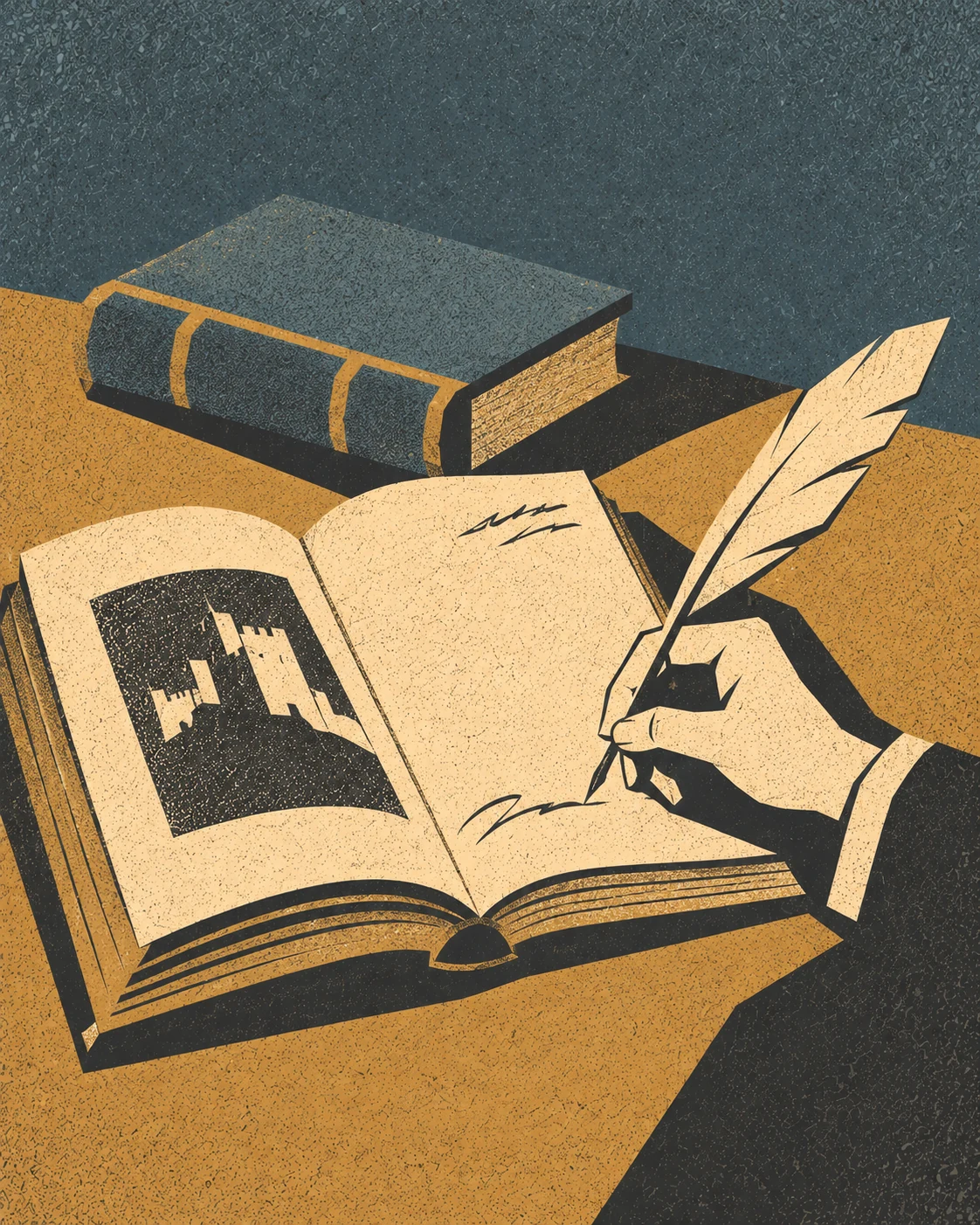
The expanding archive did more than multiply signatures. It offered answers to questions about Shakespeare's private life, friendships, religion and working habits. A discovery became especially desirable when it supplied something that previous scholarship lacked. Ireland could listen to what people wanted to know and then produce the paper that appeared to resolve it.1
A love letter to Anne Hathaway brought the playwright into intimate view. Ireland added verses and a lock of hair, presenting the whole as a personal token. In the confession, he explained that the hair came from a lock already in his possession. The accompanying silk was taken from old documents, acquiring a new role in the romance he had written around it.1
The materials again carried two different histories. An old silk cord might genuinely have held a historical seal; that did not connect it to Shakespeare's courtship. The more attractive the intimate story became, the easier it was for its physical accessories to feel mutually confirming. Hair, silk and a letter could appear to support one another even though their alleged relationship came from the same maker.1
Ireland also supplied correspondence associated with Queen Elizabeth and the Earl of Southampton. These documents broadened the collection from the playwright's personal life into royal and aristocratic patronage. Each additional hand made the apparent archive richer, but also created another opportunity for comparison with genuine documents. A person who attempted several famous signatures multiplied both the appeal of the fraud and the ways it could be tested.12
Some answers were manufactured after an objection had been raised. Ireland described being shown an authentic signature of Heminges that contradicted one he had invented. He then made another receipt, imitating the newly observed hand. In his telling, fresh evidence did not immediately end the business because it could be incorporated into the next production. The supposed archive adjusted to information obtained outside it.1
The fraud extended to books. Ireland bought genuine older volumes and added Shakespearean ownership marks and marginal notes. A book that had existed long before William Henry's birth could become a newly recovered item from the playwright's library. The false addition changed its claimed personal history while leaving much of the physical object perfectly authentic.1
Surviving examples have allowed later specialists to follow that process. Arnold Hunt and Heather Wolfe's Folger account describes annotations, title-page signatures and a fabricated catalogue of Shakespeare's library, alongside books traceable to the Irelands. Their work shifts attention from the spectacular lost play to the quieter construction of an author's reading life. A volume on a shelf could be made to tell a story as effectively as a newly written manuscript.4
Even an image could acquire a new identity. Ireland described altering an old drawing so that one figure resembled Shakespeare, adding initials and theatrical associations. Viewers then discussed whether it showed the poet acting. In the confession, he recalled somebody finding a supposed artist's name in marks that he himself could not recognise. The physical evidence was being interpreted into greater specificity than its maker had provided.1
Improving King Lear
Ireland did not limit himself to adding documents that scholarship lacked. He also attempted to change a work already familiar to readers. In the Confessions, he described copying King Lear into an old-looking hand while altering passages he considered unsuitable. A manuscript could then appear to explain supposed faults in the printed text. The forger had made himself an editor of the author whose hand he was imitating.1
His account says he obtained access to an early quarto from Samuel's library and took it to his chambers when he could work unobserved. That claim also allowed him to dispute Malone's reconstruction of his sources. Malone had reasoned about which printed edition the fabricator could have used; Ireland replied that the household had supplied access to a rarer one. A critic could correctly identify forgery while still being wrong about a particular step in its manufacture.1
The episode shows how the papers appealed to more than a desire to possess a famous signature. They offered the possibility of a different Shakespeare: less coarse, more personally accessible and newly available for interpretation. An apparent manuscript could be used to question a printed passage, even when the manuscript itself had been made by copying and altering a printed book. The relationship between source and copy had been reversed.1
Where would the discoveries stop? A portrait, a library and a new play could make the collection seem like a recovered world. They also increased the amount that had to remain consistent. The more Shakespeare answered, the more material existed against which to compare the answers. Ireland's success had changed the scale of the risk he was taking.1
Malone's case against the papers
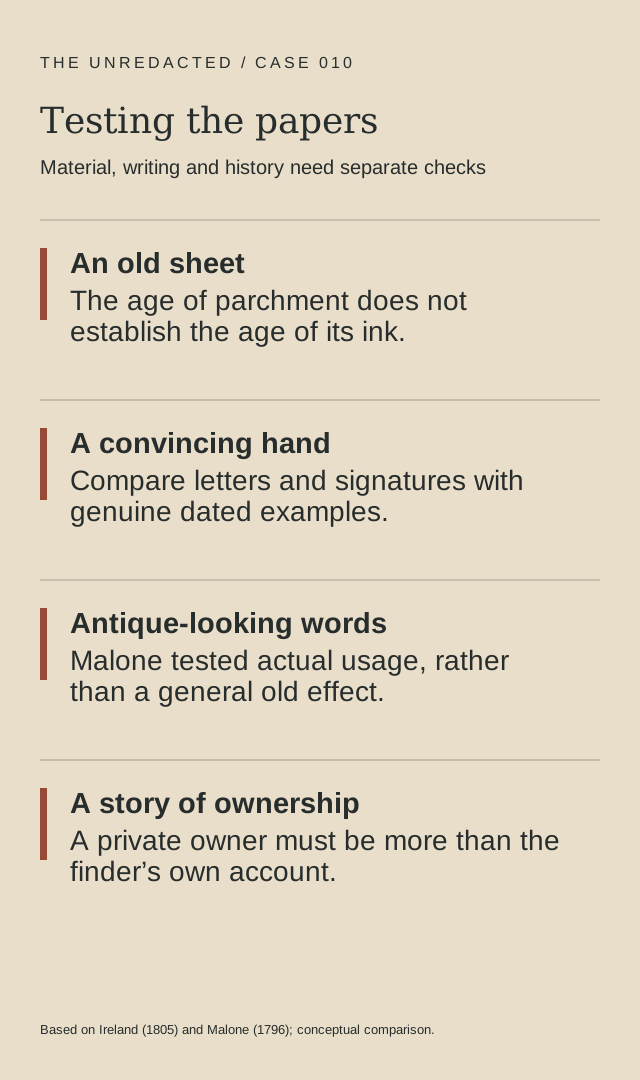
Malone did not need Ireland to confess before he could identify serious problems. His 1796 Inquiry challenged the papers through their spelling, phraseology, dates and handwriting. He also objected to the refusal to provide a satisfactory history of their discovery. The case was cumulative. An old-looking page could not rescue language or chronology that belonged to the wrong period.2
He worked from the published text and facsimiles, explicitly discussing the limits of that access. He explained that he had sought an opportunity to compare particular writing with an authentic example, while refusing to let a visit to the collector become an endorsement. That distinction prevents a misleading account in which Malone silently inspected everything and then announced the results of a modern forensic examination.2
His treatment of spelling was especially damaging. The papers looked antique through conspicuous variations, doubled letters and added endings. Malone argued that the effect did not reproduce the usage of Elizabeth's reign, but created an artificial oldness that belonged to no coherent historical period. He compared the spellings with real documents rather than accepting their unfamiliarity as evidence of age.2
One of his examples was the invented-looking treatment of ordinary words. A writer could see an old form in one context and extend it where it did not belong. The result might persuade a reader who associated excessive letters with antiquity. It became much less persuasive when placed beside dated examples of how the supposed author and contemporaries actually wrote.2
The same logic applied to handwriting. A name written in a plausible old hand could be compared with signatures belonging to the real person. Ireland's invented correspondence supplied multiple opportunities for that test. Authentic documents from Elizabeth and Southampton did not have to match a collector's expectations; they provided a standard independent of the newly discovered collection.2
Malone also examined the historical implications of the language. A letter could refer indirectly to a publication, a relationship or a period in somebody's life. Those references placed constraints on its possible date. A forgery might imitate an old surface while accidentally drawing on later knowledge. The critic's task was to identify a contradiction specific enough that general appeals to genius or unusual spelling could not explain it away.2
Was the argument merely a quarrel between rival Shakespeare enthusiasts? It certainly took place within an argumentative literary world. Malone's tone was combative, and his adversaries attacked his judgement. But a personal motive for criticism would not make a documentary contradiction disappear. An authentic comparison remained a comparison even when the scholar presenting it was disliked.12
The timing mattered. Malone's examination appeared before Vortigern was performed, so the play did not face an audience unaware of the controversy. Supporters and opponents could arrive already committed to positions about the papers. The surviving criticism also shows why the eventual failure should not be treated as the moment when everybody first began to suspect that the Shakespeare discovery was false.129
The familiar account of a boy fooling the experts therefore needs qualification. Some prominent people believed; other experienced readers objected. What made the affair extraordinary was not universal agreement, but the ability of a disputed collection to gather enough patronage and momentum to reach a major theatre. The papers had survived doubt without surviving its tests.12
The night at Drury Lane
Vortigern and Rowena carried the deception into a different setting. A private document could be contemplated as a relic. A new play attributed to Shakespeare would be spoken aloud, judged scene by scene and compared with work the audience already knew. The rewards were larger, but so was the opportunity for failure. The discovery was about to become a public performance.1
Ireland said the idea came from a picture in his father's study showing Rowena presenting wine to Vortigern. He consulted Holinshed's Chronicle and began planning the drama. His account contains a particularly revealing admission: he announced the play's discovery before he had written it. The promised original was still a future composition, and the young author then had to deliver what other people were already discussing.1
He supplied it in portions, claiming that he was copying from the old manuscript. That arrangement helped explain delays while concealing work in progress. It also meant that each delivery encouraged expectations about the next. What appeared to be the careful transcription of an ancient text was, according to his confession, an improvised production schedule for a new one.1
Ireland also described having to count the lines in a Shakespeare play because he did not know how long his supposed discovery ought to be. The example he selected was unusually long, and his own drama grew accordingly. His later recollection makes the episode comic, but the problem was practical. A convincing imitation had to function as a play for a contemporary theatre, not simply as a manuscript in a cabinet.1
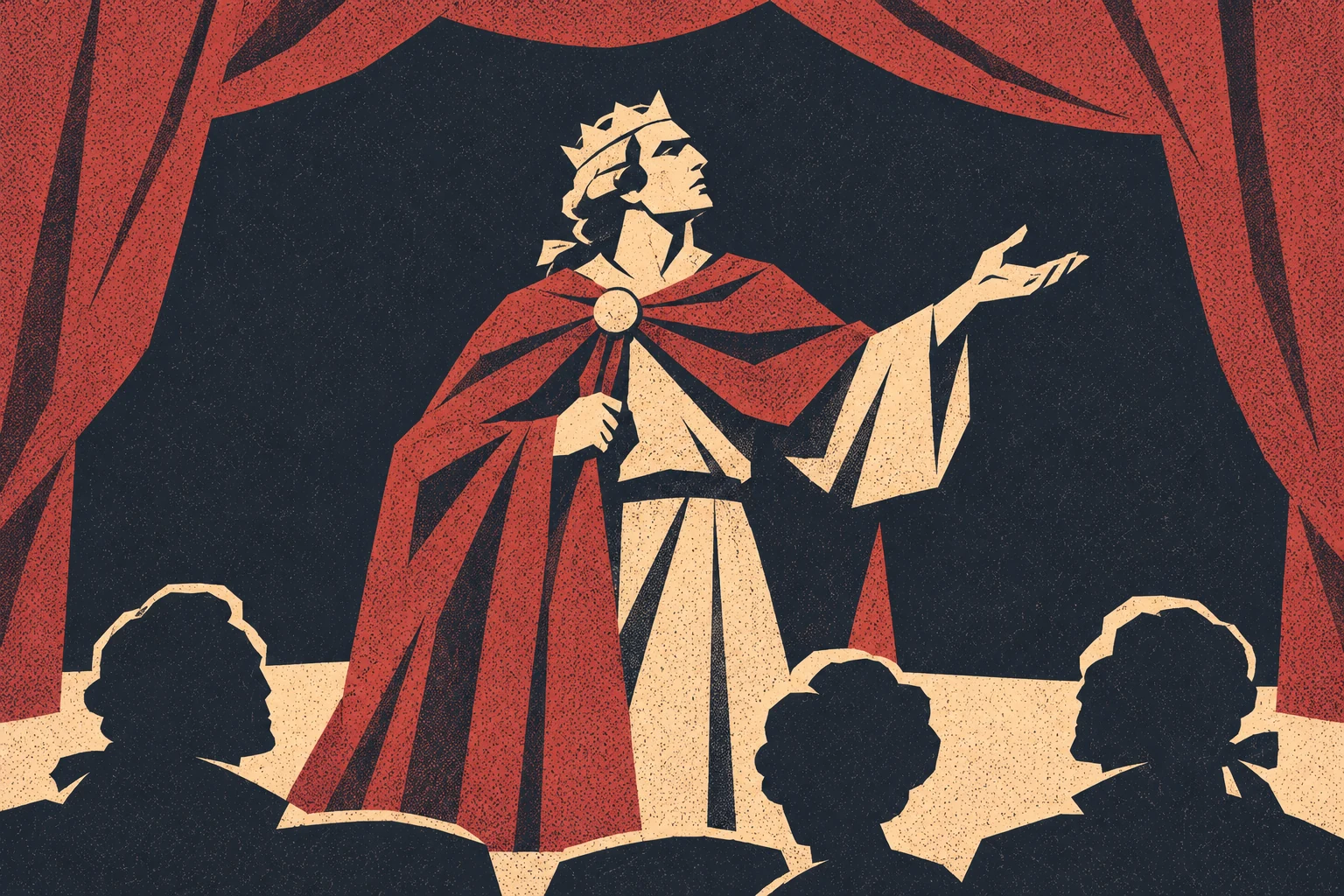
The work reached Drury Lane under Richard Brinsley Sheridan's management, with John Philip Kemble in the title role. It received one performance there, on 2 April 1796. The documented date and the play's failure supply a firm centre for an episode surrounded by more colourful retrospective stories. There was a performance; it did not establish Vortigern as a newly recovered Shakespeare work.5
The best-known moment concerns Kemble's delivery of a line about solemn mockery. In Ireland's account, the actor spoke it with an emphasis that invited the audience to apply it to the event in front of them. He then repeated it after an interruption. Ireland treated the delivery as part of the hostility that damaged his play, rather than as an impartial test of its merits.1
And when this solemn mockery is o'er,
That wording comes from the speech as printed in Ireland's 1805 Confessions. Later retellings sometimes give a different ending to the line. The variation is small, but it illustrates why an apparently perfect quotation should be checked against the version being cited. The quotation records the play's wording; the account of how Kemble used it comes from a disappointed author with reasons to resent him.1
The audience's reaction could demonstrate theatrical failure without proving who had made every manuscript. A crowd was not an archive committee, and a badly received performance would not by itself establish the history of a deed. Nevertheless, it gave the controversy a public verdict that a written endorsement could not easily reverse. The claim to have recovered a great dramatist's lost work had exposed itself to a very different form of scrutiny.
Later scholarship has also drawn attention to the women involved in the production and its surrounding culture, including actresses Sarah Siddons and Dorothy Jordan. Fiona Ritchie's Folger account considers how the supposedly old drama fitted familiar late-eighteenth-century performance styles. The point is not that resemblance alone proves authorship, but that the play belonged to the theatrical world in which Ireland was working.5
The performance ended, but the argument did not end with it. Ireland could blame actors, hostility and management. Believers could continue to distinguish the original papers from the play. What had become difficult to sustain was the expectation of an uncomplicated national triumph. Vortigern had made the Shakespeare papers into a spectacle, and the spectacle had given the deception its most enduring scene.1
Had the son worked alone?
Once the papers were discredited, a second question became harder to separate from the first. Who had been responsible? William Henry claimed the authorship of the fabricated documents, but not everybody accepted that a young clerk could have produced the whole collection without assistance. Samuel had exhibited the objects, secured supporters and pursued publication and performance. His visible involvement made his knowledge a subject of suspicion.1
The distinction between promoting and making the forgeries matters. Samuel could have advanced their circulation while believing them genuine. He could also have encountered warning signs that later readers considered decisive. Neither observation alone establishes the state of his knowledge at every point. A claim that he must have known needs evidence beyond the fact that his son's papers passed through his hands.
William Henry's confession repeatedly tries to protect his father while advertising his own accomplishment. That creates a difficulty for the reader. The person describing the workshop was a valuable witness to its operations, but he also wanted to control blame. Accepting his admission that the papers were fabricated did not require accepting every accompanying explanation of motive, innocence and family feeling.1
He offered the case of Talbot, a supporter connected with the papers, as evidence that outside assistance did not extend to writing Vortigern. In his account, correspondence showed Talbot asking about the play's contents rather than displaying knowledge of a work he had helped compose. That is a particular argument about one person's involvement. It should not be stretched into documentary proof about everybody who ever handled a paper.1
Contemporary satire cast suspicion much more widely. The 1797 caricature The Oaken Chest or The Gold Mines of Ireland depicts the family within a productive forgery business. Such an image is important evidence of how the affair was understood and ridiculed. It is not a photograph of a workshop, nor a statement under examination establishing which person wrote which line.6
Ritchie's discussion notes that William Henry's sisters and a woman known as Mrs Freeman had literary or artistic abilities that complicate an exclusively father-and-son version of the family's cultural life. That wider context deserves attention. Skills, proximity and an appearance in a caricature can make a question worth asking without settling participation in a particular act of forgery.5
The conventional account assigns the fabrications to William Henry. His confessions, surviving specimens and later activities support that attribution. The alternative claim of a family operation has a history of its own, but requires more specific evidence than the household's collective embarrassment. These are not two explanations that need to be presented as equally established simply because both circulated.136
A second alternative concerned the scale of Samuel's gullibility. Was a collector so eager to believe that contrary evidence ceased to matter, or did his public commitment make retreat intolerable? William Henry's narrative encourages that reading. It would be unwise to turn it into a retrospective psychological diagnosis. The firmer historical point is that the son's admission did not produce an immediate, harmonious agreement about the documents or repair the family's reputation.1
The case contains no need for a concealed intelligence service, a secret authorial society or an undiscovered authentic play embedded within a mostly false archive. More elaborate explanations can be proposed, but they would need evidence independent of the invented source that began the affair. The well-supported deception is already substantial: a maker, an audience, physical objects and a successful route from a private room to a public stage.
The forger after the confession
An admission ought to have removed the central uncertainty. William Henry publicly acknowledged the fabrication in An Authentic Account of the Shaksperian Manuscripts, and returned to the subject at much greater length in his 1805 Confessions. Yet even a confession could be used in more than one way. It accepted responsibility while allowing its author to describe the pleasures, ingenuity and pressures of the undertaking.17
The later book is therefore both evidence and a performance of authorship. Ireland had once supplied writing under Shakespeare's name. He could now seek readers under his own name by telling them how he had done it. His criticism of believers and opponents alike helped give the account a lively voice. That voice is one reason it remains attractive, and one reason its claims deserve comparison with material outside it.1
He was particularly irritated by the idea that the language of his admission proved him incapable of writing the alleged Shakespeare papers. From his perspective, critics were denying the accomplishment even after he had accepted the disgrace. His answer reveals an uncomfortable continuity between forgery and confession: the desire to be recognised as the person capable of producing the work did not disappear when its attribution collapsed.1
Objects from the affair also acquired new value. A fabricated Shakespeare document could be rejected as Shakespeare while remaining desirable as an Ireland forgery. Later collecting records preserve examples made or assembled after exposure. Their interest depends on knowing what they are. A false attribution had damaged their first reputation but helped create a different collecting history.37
The Harry Ransom Center, for example, catalogues an album dated 1805 containing fabricated Shakespearean material, related papers and Ireland's annotations referring to his Confessions. That description matters because it prevents every surviving specimen from being treated automatically as the exact sheet shown to visitors before the 1796 performance. The history of a copy or later specimen is part of the evidence, not a detail to discard.7
The British Library likewise records a collection of specimens presented by Ireland in 1834. Here the later identification as fabrication is explicit in the collection description. By then a person could acquire the forger's work with knowledge of the false attribution. The collector's interest was no longer necessarily in obtaining Shakespeare's hand, but in possessing a tangible example of the deception.8
Those afterlives leave work for researchers. Which objects belong to the original campaign? Which are later demonstrations? How do the surviving hands and materials compare with the confession's descriptions? Such questions can alter the history of individual objects without reopening the basic question of whether William Henry's invented discoveries were genuinely written by Shakespeare.
As of the sources consulted on 6 November 2026, the Shakespeare attribution is rejected and Ireland's authorship of the fabrications is established in the catalogues and scholarship used here. Uncertainty remains around particular claims, relationships and surviving versions. The remarkable fact is how far the original fiction travelled: a clerk supplied the papers, collectors supplied authority, and a London theatre supplied the stage on which the claim finally came apart.
Follow the evidence
Sources & further reading
- The Confessions of William-Henry Ireland William Henry Ireland · 1805 · Accessed 2026-11-06
- An Inquiry into the Authenticity of Certain Miscellaneous Papers and Legal Instruments Edmond Malone · 1796 · Accessed 2026-11-06
- Ireland Shakespearean Forgeries: collection register University of Iowa Libraries · 2006-02 · Accessed 2026-11-06
- Shakespeare’s personal library, as curated by William Henry Ireland Arnold Hunt and Heather Wolfe / Folger Shakespeare Library · 2013-06-17 · Accessed 2026-11-06
- Strange Shakespeare: Vortigern and the women making and faking Shakespeare Fiona Ritchie / Folger Shakespeare Library · 2021-01-19 · Accessed 2026-11-06
- Up Close: An 18th-century caricature of William Henry Ireland and his family Folger Shakespeare Library · 2020-09-18 · Accessed 2026-11-06
- W. H. Ireland: Inventory of His Fabricated Shakespearian Manuscripts Harry Ransom Center, University of Texas at Austin · 2024 · Accessed 2026-11-06
- Add MS 37831: Specimens of Shakespeare forgeries presented to William Till British Library · Accessed 2026-11-06
- The Ireland Forgeries: Shakespeare Through the Ages University of Delaware Library · Accessed 2026-11-06